Interior design is constantly evolving, but one trend that has firmly established itself in modern luxury architecture is the use of laser-cut wall panels. From high-end boutique hotels in London to minimalist apartments in New York, geometric laser-cut screens are transforming plain walls into dynamic, three-dimensional masterpieces.
Whether you are looking to add an accent wall to a living room, divide a commercial office space, or enhance a building’s exterior facade, these panels offer the perfect blend of structural functionality and artistic expression.
In this comprehensive guide, we will explore the aesthetics of geometric laser-cutting, the best materials for production, installation methods, and how you can integrate these stunning pieces into your next architectural project.
1. The Rise of Geometric Laser-Cut Patterns in Modern Design
Geometric patterns have been a staple of architectural history for centuries, from traditional Arabic arabesque motifs to the bold lines of Art Deco. Today, modern CNC router and fiber laser technology allow designers to take these classic concepts and execute them with flawless mathematical precision.
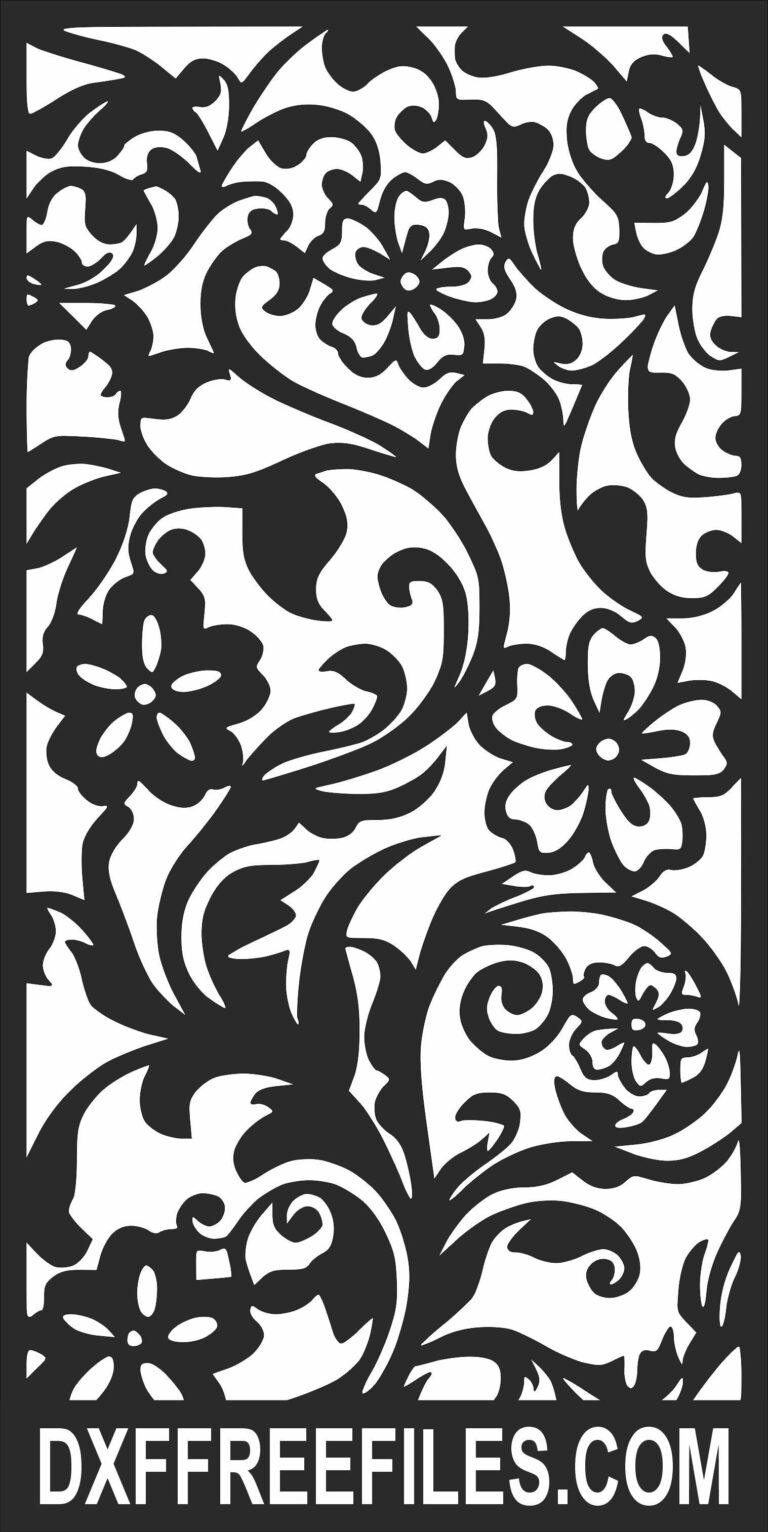
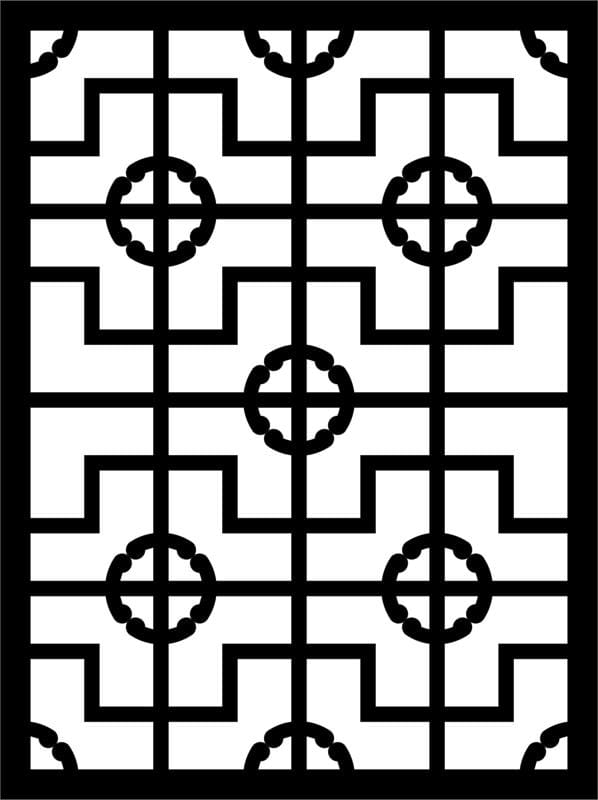
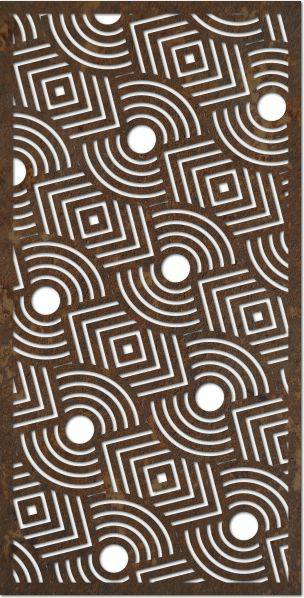
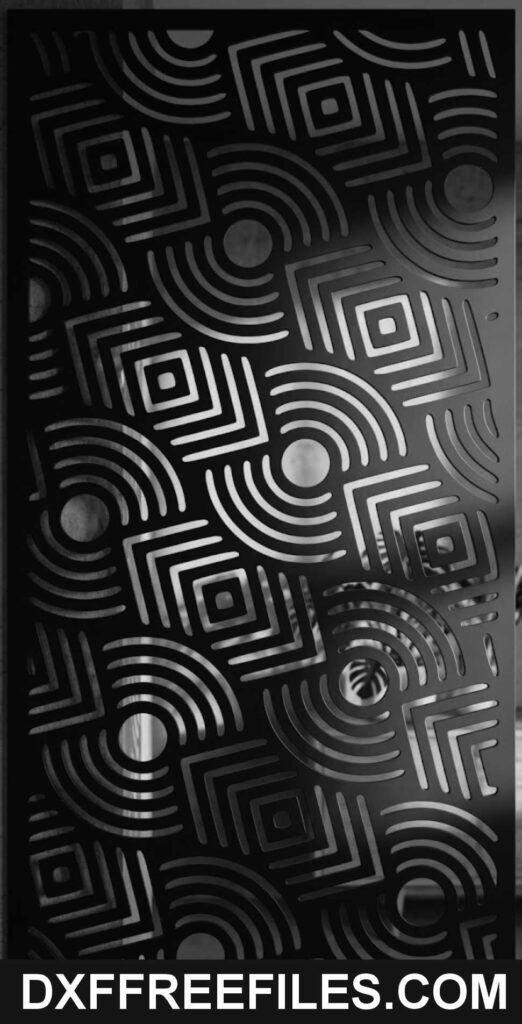
As seen in contemporary design repositories, a perfect example of this evolution is the pattern featured in Geometric laser cut wall panels, which seamlessly blends flowing concentric semicircles with sharp, nested squares.
Why Geometric Patterns Work:
- Visual Balance: The repetition of shapes creates a sense of rhythm and harmony that naturally draws the eye without overwhelming the room.
- Light and Shadow Play: Unlike flat wallpaper, a physical laser-cut panel interacts with the ambient light. Throughout the day, changing light angles cast intricate shadows onto adjacent surfaces, creating a living, breathing art piece.
- Versatility: Clean geometric lines fit beautifully into industrial, minimalist, mid-century modern, and contemporary luxury interiors.
2. Choosing the Right Materials for CNC Wall Panels
The success of a laser-cut wall panel depends heavily on selecting the correct material for the environment. CNC machining and laser cutting work across a massive variety of substrates, each offering distinct visual and structural benefits.
A. Medium-Density Fiberboard (MDF)
For interior applications, MDF remains the king of versatility and cost-effectiveness.
- Best For: Living room accent walls, bedroom headboards, and interior office partitions.
- Finishing Options: MDF can be easily primed and spray-painted in matte black, metallic gold, or vibrant colors to match any color palette.
- Machining: Ideal for CNC routers using precise V-carve or profile toolpaths.
B. Architectural Metals (Aluminum and Steel)
If you are looking for structural durability or a premium, industrial aesthetic, metal is the go-to choice.
- Aluminum: Lightweight, rust-resistant, and perfect for both indoor luxury panels and outdoor facades. It is typically finished with a powder coat for maximum durability.
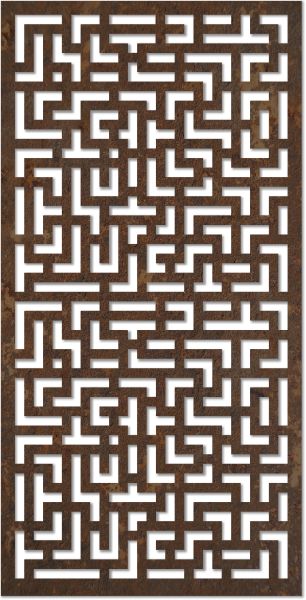
- Corten Steel (Weathering Steel): Highly popular in the US and Europe for outdoor landscape architecture. Over time, it develops a stable, rustic, rust-like appearance that looks stunning in garden settings.
C. Luxury Hardwoods and Plywood
For spaces that require natural warmth, marine-grade plywood, oak, or walnut veneers bring an organic feel to geometric designs. The contrast between rigid geometric cuts and natural wood grain creates an incredibly sophisticated look.
3. Top Applications for Laser-Cut Panels in Interior & Exterior Design
Geometric panels are incredibly multifunctional. They are no longer restricted to just hanging on a wall like a traditional picture frame.
Room Dividers and Partition Screens
Open-plan living is highly popular, but it often lacks privacy. A floor-to-ceiling geometric laser-cut screen creates a functional boundary between a dining area and a living room without blocking natural light or airflow.
Feature Accent Walls
Instead of a standard painted accent wall, mounting a large-format geometric panel adds instant texture. Backlighting the panel with hidden LED strip lights elevates the setup, transforming the wall into a dramatic evening light feature.
Exterior Facades and Privacy Fencing
In modern residential architecture across Europe, laser-cut aluminum sheets are used as external window shutters, balcony railings, and courtyard privacy screens. They offer security and shade while maintaining a high-end curb appeal.
4. How to Source and Choose the Perfect Design File
If you are a fabricator, interior designer, or a DIY enthusiast working with a local laser-cutting shop, the quality of your finished panel depends entirely on the digital vector file.
When sourcing files like the one in Geometric laser cut wall panels, ensure you are downloading or purchasing optimized formats:
- DXF (Drawing Exchange Format): The industry standard for CNC routers and laser cutters.
- SVG (Scalable Vector Graphics): Excellent for scaling without losing smooth curves.
- AI / CDR: Native Adobe Illustrator or CorelDraw files, ideal if you need to manually adjust the frame or scale of the pattern before cutting.
Pro Tip for Fabricators: Always check the “bridge” widths in your geometric vector file. If the lines between the cutouts are too thin, the material may warp or break during the laser-cutting process, especially when working with thin sheets of metal or wood.
5. Step-by-Step Installation Guide for Wall Panels
Installing a heavy-duty decorative panel requires precision to ensure it hangs safely and looks perfectly integrated into the wall.
Step 1: Wall Inspection
Ensure the wall can support the weight of the material. For heavy metal panels or large-format MDF sheets, you must secure the mounting brackets directly into wall studs rather than just drywall.
Step 2: Choosing the Mounting Method
- Flush Mount: Using heavy-duty Z-clips or French cleats allows the panel to sit flush against the wall. This is ideal for a clean, seamless look.
- Standoff Mount: Using metallic sign standoffs creates a 1 to 2-inch gap between the wall and the panel. This is highly recommended for geometric patterns because it maximizes the depth of the shadows cast behind the panel.
Step 3: Integrating Lighting (Optional)
If you are adding LED backlighting, install the LED channels along the back perimeter of the panel before hanging it on the wall. Ensure the wiring is neatly routed to an accessible power source or smart switch.
6. Global Interior Design Trends: The US vs. European Market
While geometric decor is globally loved, styling preferences vary slightly across regions. Understanding these trends can help you tailor your designs for local buyers.
| Feature / Trend | United States Market | European Market (UK, Germany, France) |
| Preferred Materials | Heavy-duty powder-coated aluminum, stained hardwoods, thick MDF. | Sustainable birch plywood, lightweight aluminum, matte-finish composites. |
| Aesthetic Styles | Bold, grand scales, Art Deco geometric revivals, luxury hotel aesthetics. | Minimalist Scandinavian style, compact functional screens, biophilic-geometric hybrids. |
| Color Palettes | Metallic gold, deep bronze, rich charcoal, industrial blacks. | Matte black, soft neutrals, white, raw natural wood tones. |
7. Maintenance and Care for Long-Lasting Wall Art
To keep your architectural panels looking brand new, follow these simple maintenance tips:
- MDF Panels: Clean exclusively with a dry microfiber cloth or a soft duster. Avoid water or liquid cleaners, as moisture can cause raw or poorly sealed MDF to swell.
- Powder-Coated Metal: Wipe down periodically with a damp cloth and mild soap. Metal panels are highly resilient and scratch-resistant, making them incredibly low-maintenance.
- Wood Panels: Treat with a high-quality wood wax or oil once a year to preserve the rich texture and prevent the wood from drying out under indoor HVAC systems.
Conclusion: Transform Your Next Space with Geometric Precision
Geometric laser-cut wall panels are the perfect fusion of art, technology, and manufacturing. They provide an instant architectural upgrade to any residential or commercial project. By choosing the right pattern scale, balancing your material choices, and utilizing creative mounting techniques like LED standoffs, you can turn a basic wall into a stunning focal point.
If you are a design professional or fabricator, building a collection of high-quality, clean vector files is the first step toward bringing these striking physical structures to life.
Frequently Asked Questions (FAQs)
Q1: Can laser-cut panels be used in bathrooms or high-moisture areas?
Yes, but material choice is critical. Do not use standard MDF in bathrooms. Instead, opt for waterproof PVC sheets, powder-coated aluminum, or High-Pressure Laminates (HPL), which can withstand moisture and humidity without warping or rusting.
Q2: What is the standard thickness for a CNC wall panel?
For interior decorative MDF walls, thicknesses between 12mm to 18mm provide excellent structural depth and stability. For metal panels (aluminum or steel), 2mm to 4mm is standard for interior walls, while thicker gauges are used for exterior structural facades.
Q3: How do I scale a geometric pattern without distorting it?
Always use a parametric vector file format (like DXF or SVG). When scaling the file in software like AutoCAD or Vectric Aspire, make sure to lock the aspect ratio so that circular and square geometries do not stretch into ovals or rectangles.
Tips to Rank This Post Fast in the US & Europe:
- High-Quality Images: Use real, high-resolution lifestyle images or clean 3D renders (like the one generated in watermarked_img_5106279757092654385.png) as your main header image. Add descriptive Alt Text like: “Modern geometric laser cut wall panel mounted as room divider in luxury living room”.
- Internal Linking: If you are selling digital files (DXF/SVG) on your website or Etsy store, link the keywords “source and choose the perfect design file” or “geometric vector file” directly to your product page.
- Schema Markup: Add Article Schema and FAQ Schema to your website page backend. Google rewards structured data, which helps in securing rich snippets on the first page of search results.