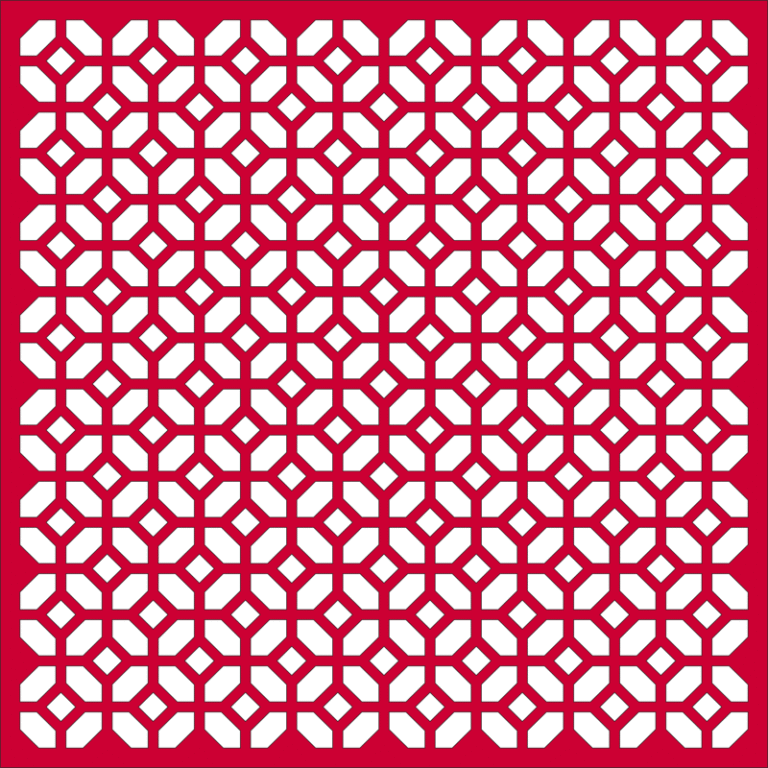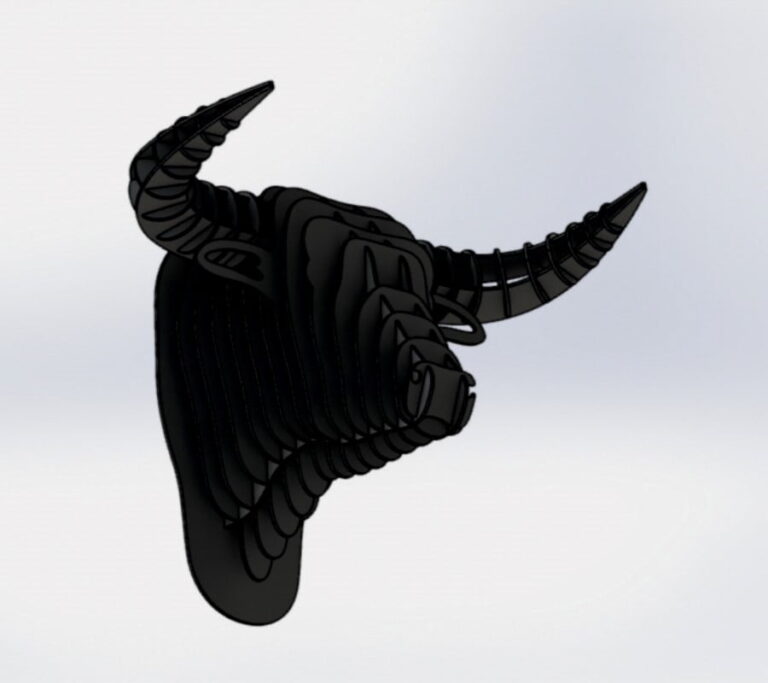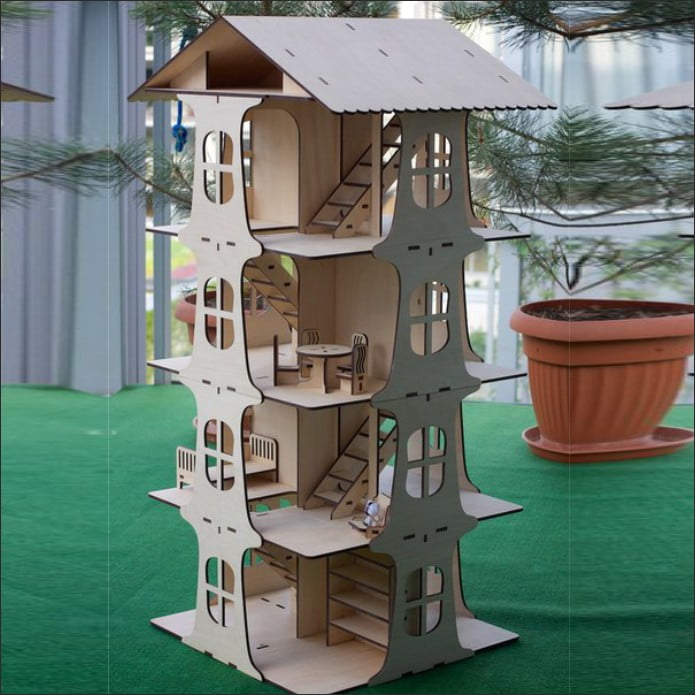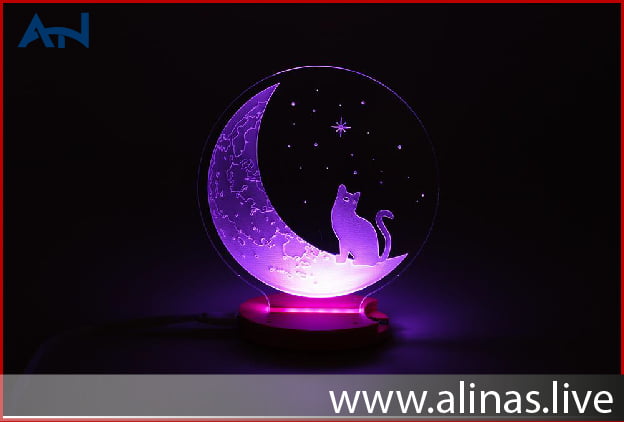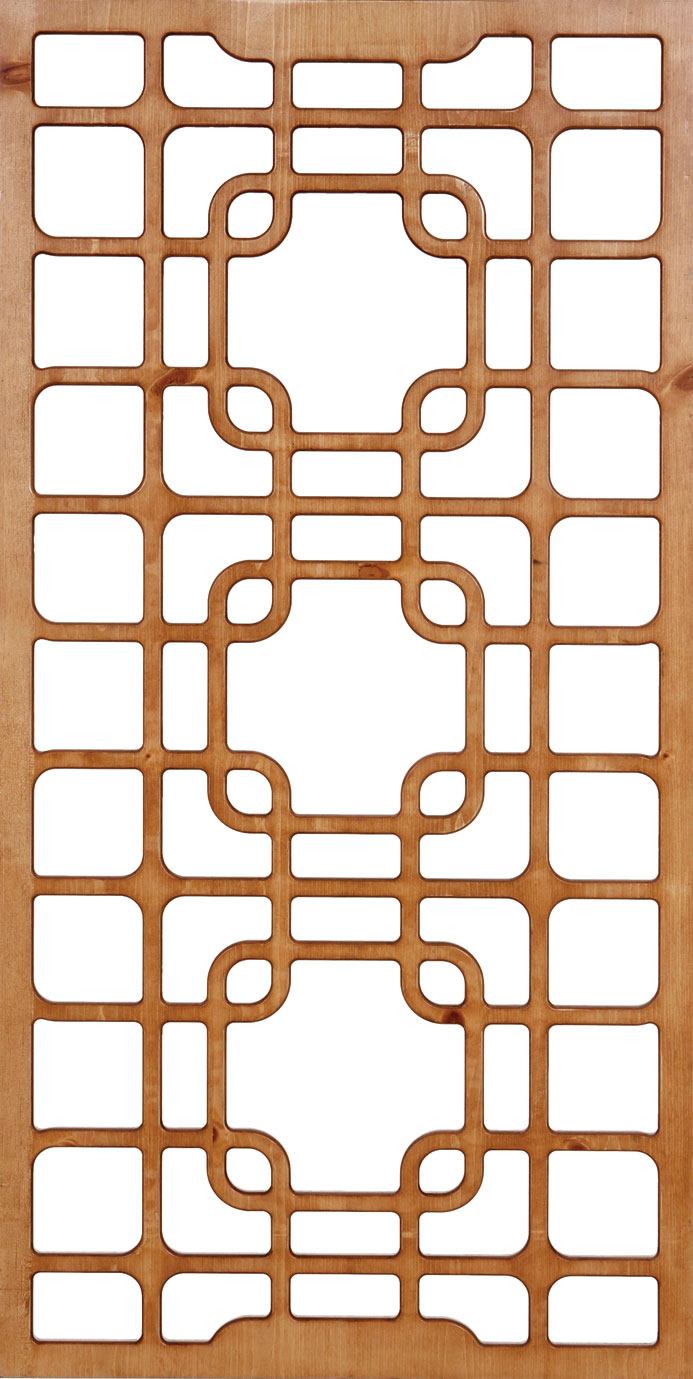
In today’s interior architecture and fit-out industry, decorative room divider panels have become a highly demanded design element. Modern spaces often follow open-plan layouts, but clients still require visual separation, privacy control, and aesthetic enhancement without constructing permanent walls. This is where professionally designed room divider patterns play a critical role.
If you are offering DXF, SVG, AI, and CDR files for CNC routing, laser cutting, or plasma cutting, you are not just selling a design — you are providing a production-ready solution that can be directly manufactured.
This detailed post explains what room divider patterns are, their design categories, materials, manufacturing considerations, and why properly prepared vector files are essential.
What Is a Room Divider Pattern?
A room divider pattern is a decorative panel design used to separate spaces while maintaining light flow and openness. Unlike solid partitions, patterned dividers create partial privacy while still allowing airflow and visual continuity.
These panels are commonly used in:
- Residential interiors (living rooms, bedrooms, majlis areas)
- Office spaces
- Restaurants and cafés
- Salons and spas
- Commercial reception areas
- Exhibition stands
The key advantage is flexibility — they can be fixed, sliding, folding, or freestanding structures.
Popular Room Divider Pattern Styles
1. Islamic Geometric Patterns
Highly popular in Middle Eastern markets, Islamic geometric designs feature symmetry, repetition, and precise mathematical proportions. These patterns are ideal for villas, luxury interiors, mosques, and majlis areas.
They offer:
- Strong visual identity
- Cultural relevance
- Elegant shadow effects when backlit
2. Modern Minimalist Patterns
These designs use clean lines, linear compositions, and controlled spacing. Minimal patterns are highly suitable for contemporary apartments and corporate offices.
Advantages include:
- Faster production time
- Reduced material waste
- Modern and clean aesthetic
3. Floral and Nature-Inspired Patterns
Organic curves, leaves, vines, and abstract botanical shapes create a softer and more artistic appearance. These are commonly used in hospitality and residential projects.
They provide:
- Decorative elegance
- Soft visual separation
- Unique artistic appeal
4. Abstract and Custom Artistic Patterns
For high-end or unique projects, fully customized artistic layouts are used. These designs can be tailored to branding elements or architectural themes.
Custom patterns are especially useful for:
- Feature walls
- Retail branding spaces
- Signature restaurant interiors
Materials Used for Room Divider Panels
Material selection significantly impacts durability, cost, and finishing options. Below are the most commonly used materials:
MDF (Medium Density Fiberboard)
- Cost-effective
- Ideal for indoor use
- Easy CNC routing
- Smooth surface for painting
Plywood
- Stronger than MDF
- Better structural stability
- Suitable for interior partitions
Aluminum Composite Panel (ACP)
- Lightweight
- Weather resistant
- Suitable for semi-outdoor applications
Mild Steel / Stainless Steel
- Premium finish
- High durability
- Perfect for laser cutting
- Powder coating compatible
Acrylic
- Modern appearance
- Laser cutting friendly
- Available in clear, frosted, or colored sheets
Each material requires specific cutting parameters, which must be considered during file preparation.
Importance of Proper File Formats
When delivering room divider pattern files for manufacturing, technical accuracy is critical. Clean vector paths, proper scaling, and closed contours ensure smooth cutting and minimal production errors.
DXF File (Drawing Exchange Format)
DXF is the industry standard for CNC routers, plasma cutters, and laser machines. It contains precise vector geometry that machines interpret as cutting paths.
Key benefits:
- Machine-compatible
- Scalable without distortion
- Accurate toolpath interpretation
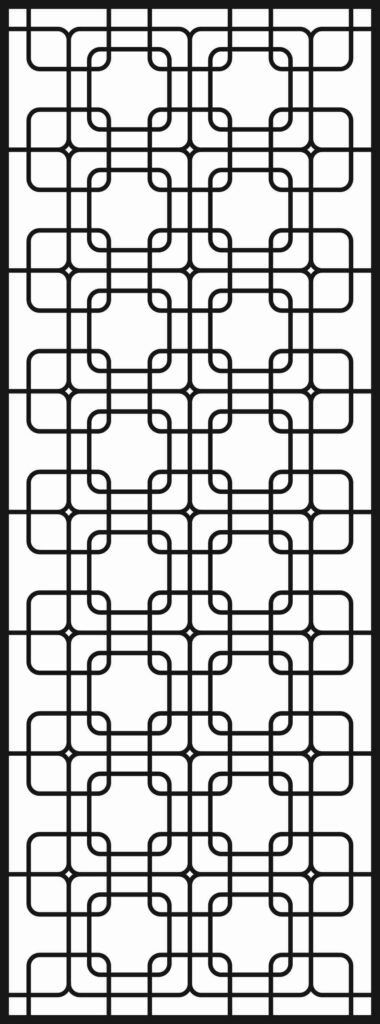
SVG File (Scalable Vector Graphics)
SVG files are widely used for laser cutting, online previews, and design sharing. They are lightweight and maintain vector integrity at any scale.
Best for:
- Laser cutting
- Digital previews
- Web-based CNC platforms
AI File (Adobe Illustrator)
AI files are editable master design files. Designers can modify patterns, adjust spacing, and customize layouts easily before exporting to production formats.
Ideal for:
- Design editing
- Customization
- Layer management
CDR File (CorelDRAW)
CDR files are commonly used in sign-making and laser industries. Many laser operators prefer CorelDRAW for direct machine integration.
Useful for:
- Laser workflows
- Sign manufacturing
- Design revisions
Technical Considerations Before Production
1. Material Thickness
adjusted material thicknes
2. Minimum Bridge Width
Thin connections between cut areas must be strong enough to maintain panel stability.
3. Kerf Compensation
Kerf width should be considered for precision work.
4. Closed Vectors
All paths must be fully closed to avoid machine errors.
5. Scaling Accuracy
Files should be delivered in real-world scale (millimeters preferred for CNC).
Applications of Room Divider Patterns
Room divider panels can be used in multiple configurations:
- Ceiling-hung sliding panels
- Fixed decorative partitions
- Folding screens
- Wall-mounted decorative inserts
- Exterior façade screens
backlit to create shadow effects.
Benefits of Offering Production-Ready Files
Providing DXF, SVG, AI, and CDR files offers several advantages:
- Immediate manufacturing capability
- No need for redrawing
- Reduced design errors
- Faster project completion
- Compatibility with multiple machines
ready to cut file
Why High-Quality Vector Design Matters
Poorly prepared files can cause:
- Broken toolpaths
- Material damage
- Machine stoppage
- Structural weakness in the panel
A professionally designed pattern ensures:
- Balanced negative and positive space
- Structural strength
- Clean cutting results
- Professional final appearance
Customization Options
Room divider patterns can be customized based on:
- Panel size
- Thickness
- Frame integration
- Mounting method
- Branding or logo integration
- Pattern density
This flexibility makes them suitable for both small residential projects and large commercial installations.